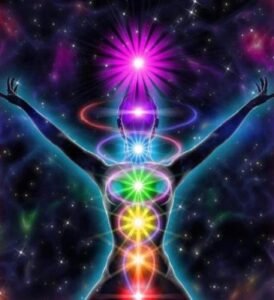
Understanding New Age Beliefs
New Age beliefs represent a diverse and evolving spiritual movement that emerged in the latter half of the twentieth century. Rooted in a combination of Eastern philosophies, Western esotericism, and countercultural influences, New Age spirituality encompasses an array of concepts and practices designed to enhance individual spiritual growth and foster a greater connection with the universe. As the movement continues to progress toward 2025, understanding its foundational principles is essential in recognizing its impact on contemporary spirituality.
At its core, New Age beliefs emphasize personal transformation and self-awareness. Practitioners often seek enlightenment through various means such as meditation, yoga, and holistic healing. These practices are not merely physical pursuits; they represent a holistic approach to wellness that integrates the mind, body, and spirit. The popularity of practices like Reiki, crystal healing, and chakra balancing exemplifies the influence of New Age thought on the healing arts, promoting the idea that energy plays a crucial role in health and well-being.
The origins of New Age beliefs can be traced back to earlier spiritual movements, including Theosophy and the Human Potential Movement, which sought to awaken a deeper understanding of human nature and existence. Furthermore, New Age spirituality draws from various religious traditions, blending elements of Buddhism, Gnosticism, and Native American spirituality. Such an eclectic approach has resulted in a broad spectrum of beliefs that resonate with individuals seeking alternative pathways to spirituality.
As we look toward 2025, it is evident that New Age beliefs will continue to evolve, adapting to societal changes and technological advancements. The rise of the internet and social media has created a platform for individuals to share and explore these beliefs more extensively. This digital transformation has fostered a global community that transcends geographical boundaries, allowing for the exchange of ideas and practices within the New Age framework. Thus, understanding New Age beliefs is essential for comprehending the spiritual landscape of the future.
The Intersection of Science and Spirituality
In recent years, the relationship between science and spirituality has evolved, with New Age beliefs increasingly integrating scientific discoveries and theories. Notably, fields such as quantum physics and neuroscience have opened new avenues for understanding spiritual experiences, leading to a more profound dialogue between these traditionally distinct domains. This intersection invites individuals to reconsider spirituality through a framework that embraces empirical investigation and theoretical exploration.
Quantum physics, for instance, has introduced concepts such as entanglement and non-locality, which resonate with New Age beliefs about interconnectedness and the nature of consciousness. These ideas suggest that everything in the universe is interrelated, challenging the conventional boundary separating the observer from the observed. As a result, many spiritual practitioners draw parallels between the enigmatic principles of quantum theory and their experiences of unity and transcendence, viewing them as affirmations of spiritual truths.
Additionally, advancements in neuroscience have significantly impacted the understanding of meditative states and mystical experiences. Research utilizing brain imaging techniques has begun to illuminate how spiritual practices can alter brain function and structure, demonstrating tangible effects on mental health and well-being. By scientifically validating aspects of spiritual experiences, neuroscience has created a platform for broader acceptance of New Age beliefs. The implications of this fusion encourage individuals to explore spiritual paths through the lens of both science and personal experience, fostering greater understanding and acceptance.
Furthermore, this interplay between science and spirituality raises important questions about the nature of reality and human consciousness. It challenges individuals to explore the extent to which scientific inquiry can inform spiritual practices, and whether spiritual experiences can, in turn, inspire new scientific questions. By embracing this dialogue, modern spirituality can evolve, potentially leading to a more integrated worldview that honors both empirical evidence and the subjective nature of human experience.
Key Figures in the New Age Movement in 2025
The New Age movement continues to be significantly shaped by a variety of influential personalities whose teachings and philosophies resonate with spiritual seekers around the world. As of 2025, some of the key figures in this dynamic landscape include thought leaders who promote holistic healing, mindfulness, and metaphysical practices. Their collective contributions foster a deeper understanding of spirituality in contemporary society.
One prominent figure is Dr. James Van Praagh, a renowned psychic medium and spiritual teacher, who has gained recognition for bridging the gap between the physical and spiritual worlds. His teachings emphasize the importance of spiritual awareness and personal transformation. Van Praagh’s books and workshops encourage individuals to explore their intuitive abilities and foster deeper connections with their inner selves and the universe.
Another influential personality is Gabrielle Bernstein, a motivational speaker and author known for her practical approach to spirituality. Bernstein’s teachings revolve around the idea of manifesting one’s desires through self-love and positive affirmations. Her popular books and guided sessions have made her a significant figure among younger spiritual seekers who are looking for accessible pathways to enlightenment.
Additionally, Dr. Joe Dispenza, a chiropractor and neuroscientist, is making waves with his research on how thoughts and meditation can influence physical health and well-being. His seminars and publications advocate for the notion that consciousness can create reality, making profound changes in individuals’ lives. Dispenza’s work is often recognized for blending science with spirituality, appealing to those interested in evidence-based practices.
These individuals, among others, are shaping the New Age movement in 2025, fostering a diverse array of teachings that enable many to explore and embrace their spiritual journeys. Their influence underscores a broader cultural shift toward holistic and integrative approaches in personal and collective spirituality.

Technological Advancements and Spirituality
In 2025, technological advancements have significantly transformed the landscape of New Age beliefs, offering innovative avenues for individuals to engage with spirituality. Social media platforms have emerged as powerful tools for the dissemination of spiritual teachings, enabling users to discover diverse philosophies and practices from across the globe. The interactive nature of social media not only facilitates sharing personal journeys but also fosters a sense of community among followers of various New Age beliefs. Through forums, groups, and live discussions, users can connect, exchanging insights and experiences that enhance their spiritual journeys.
Moreover, virtual reality (VR) technology has provided an immersive dimension to spiritual practices. Users can partake in guided meditations or attend virtual retreats that allow them to explore different spiritual environments from the comfort of their homes. This not only broadens accessibility but also caters to individuals who may feel intimidated by traditional spiritual settings. In 2025, the evolution of VR has led to the creation of adaptations of ancient spiritual spaces, allowing users to engage with historical traditions in a modern context.
Additionally, smartphone applications have gained popularity in enhancing personal spiritual practices. These apps offer various tools such as daily affirmations, meditation guides, and personalized spiritual coaching. Users can access resources tailored to their unique needs and aspirations, thus facilitating a structured approach to their spiritual development. The integration of technology into New Age beliefs does not merely streamline practices; it empowers individuals to take ownership of their spiritual paths.
Through these technological advancements, spirituality has been made more accessible and customizable, allowing people to navigate their spiritual journeys in ways that resonate deeply with them. As technology continues to evolve, its role in shaping and supporting New Age beliefs is likely to become even more pronounced, merging the ancient with the contemporary to foster deeper connections with self and community.
Environmental Spirituality and Sustainability
As we venture into the year 2025, the intersection between New Age beliefs and environmental consciousness has become increasingly pronounced. A growing number of individuals embrace environmental spirituality, which highlights the intrinsic connection between humanity and the natural world. This philosophical perspective underscores the importance of recognizing nature not just as a resource to exploit but as a living entity deserving of respect and care. New Age teachings advocate for a deep, spiritual connection to the earth, emphasizing that our physical well-being is inherently linked to the health of our environment.
Central to this belief system is the concept of sustainability, which is now viewed as a spiritual practice as well as a moral imperative. New Age adherents are increasingly participating in initiatives aimed at reducing their ecological footprints, promoting renewable resources, and engaging in practices that nurture the earth. Community gardens, permaculture projects, and eco-villages are just a few examples of how spiritual communities are implementing sustainable living practices that align with their New Age values.
Additionally, environmental spirituality encourages mindfulness and gratitude for the natural world. Teaching meditation and mindfulness practices that focus on nature allows individuals to cultivate a deeper appreciation for their surroundings. Such practices may involve outdoor meditations or rituals that celebrate natural cycles, further reinforcing the connection between spiritual well-being and ecological health.
The year 2025 marks a pivotal point where New Age philosophy increasingly intersects with environmental issues, inspiring followers to take proactive steps toward sustainability. The united effort to protect our planet reflects a broader understanding that spiritual enlightenment is contingent upon the stewardship of the earth. By fostering an environment where spiritual and ecological principles coexist, New Age beliefs contribute to a more sustainable future for both humanity and nature.
Global Perspectives on New Age Beliefs
As we venture into 2025, the New Age movement continues to demonstrate its global relevance through varied interpretations and adaptations across different cultures. By integrating local traditions with broader New Age themes, these beliefs showcase a rich tapestry of spirituality, highlighting how individuals and communities worldwide are seeking meaning in their lives. This fusion often leads to an eclectic approach to spirituality, where practices such as meditation, energy healing, and alternative medicine merge with indigenous customs and rituals.
In many Western countries, New Age beliefs have become synonymous with self-help and wellness culture, emphasizing personal transformation and holistic health. Yoga, mindfulness, and various forms of alternative therapies have gained significant traction, reflecting a growing desire to find balance amidst modern life’s complexities. These practices not only foster individual well-being but also cultivate a sense of community among practitioners who share similar spiritual aspirations.
Conversely, in regions such as Asia and Africa, New Age beliefs often intersect with long-standing spiritual practices, creating unique syncretic expressions. In India, for instance, the ancient philosophies of Ayurveda and yoga resonate deeply within the New Age framework, appealing to both local and global audiences. Similarly, African spiritual practices are increasingly being integrated into New Age communities, reflecting a broader understanding and appreciation of ancestral wisdom and the interconnectedness of all beings.
As New Age beliefs evolve, they also provoke discussions around cultural appropriation and respect for indigenous practices. Awareness of these dynamics is crucial in promoting an inclusive spiritual landscape that honors diverse traditions while embracing the universal quest for enlightenment and connection. By 2025, the dialogue around these beliefs will undoubtedly continue to shape our collective understanding of spirituality, forging pathways between the past and the future.
Critiques and Controversies Surrounding New Age Beliefs
The New Age movement, while gaining traction, is not without its critiques and controversies. These criticisms often arise from its eclectic nature, which draws from various spiritual traditions and practices. A significant concern is cultural appropriation. Many critics argue that New Age beliefs often borrow from indigenous and marginalized cultures without proper acknowledgment or understanding. This appropriation can lead to the commodification of sacred practices, reducing profound spiritual traditions to mere trends devoid of their original significance. This phenomenon raises ethical questions about respect and the integrity of cultural expressions in a globalized world.
Another notable critique pertains to the commercialization of spirituality. In 2025, the New Age movement has become increasingly commercialized, with numerous products and services marketed as spiritual solutions. Critics emphasize that this shift implies that genuine spiritual experience can be bought, leading to a superficial understanding of spirituality. The proliferation of consumer-driven wellness trends and spiritually-themed merchandise can dilute the original intent of New Age beliefs, transforming them from sincere pursuits to financial enterprises. As such, skeptics argue that the essence of spiritual growth is being compromised in favor of profit.

Future Trends in New Age Spirituality
The evolution of New Age spirituality is a reflection of broader societal changes, advancements in technology, and an increasingly complex understanding of human consciousness. Looking ahead to the future, especially beyond 2025, we can anticipate several key trends that may shape this movement. One notable development could be the integration of scientific insights into spiritual practices. As neuroscience continues to uncover the intricacies of the mind and its connection to consciousness, individuals may start to blend empirical evidence with esoteric teachings. For instance, concepts such as meditation, mindfulness, and energy healing could gain further legitimacy as more people grasp the psychological and physiological benefits supported by research.
Moreover, the rise of digital platforms will likely facilitate a global exchange of New Age ideas. Virtual communities and social media have already transformed how individuals share spiritual experiences and practices. In the coming years, we may witness an increase in online workshops, virtual retreats, and collaborations that transcend geographical boundaries. This democratization of spiritual knowledge may lead to a more diverse array of practices and beliefs, with influences drawn from various cultures and traditions.
Additionally, as environmental concerns continue to mount, a resurgence of eco-spirituality is anticipated. This trend will emphasize the interconnectedness of all beings and advocate for sustainable living as a vital aspect of spiritual fulfillment. The concepts of Gaia theory and Earth-based spirituality may receive renewed attention, inspiring individuals to find spiritual meaning in nature and advocate for ecological preservation as a moral obligation.
In conclusion, the future of New Age spirituality appears poised for significant transformation. The amalgamation of scientific understanding, digital connectivity, and environmental consciousness will likely shape how individuals approach spirituality, encouraging them to explore deeper connections within themselves and the world around them.
Personal Stories and Testimonials
As we delve into the world of New Age beliefs in 2025, personal stories and testimonials from individuals who embrace these philosophies offer invaluable insights. Many practitioners have found that New Age spirituality, encompassing practices such as meditation, energy healing, and astrology, has profoundly impacted their lives.
One poignant example comes from Emily, a 32-year-old mother of two who turned to New Age practices following a tumultuous period in her life. After navigating through a painful divorce, she sought solace in meditation and yoga. Through these practices, Emily reported not only a sense of peace and clarity but also a transformation in her self-confidence. She describes the moment she realized her ability to manifest her desires through focused intention as life-altering. Her journey illustrates the potential of New Age beliefs to facilitate healing and self-discovery.
Similarly, Mark, a 45-year-old businessman, shares how he integrates astrology into his daily routine. He credits this practice with enhancing his decision-making processes, enabling him to align his business strategies with what he believes to be cosmic energies. Mark’s anecdote highlights a common theme among New Age believers: the integration of spirituality into everyday life. This alignment often fosters a deeper connection to one’s purpose and provides a framework for navigating life’s challenges.
Furthermore, Jessica, a 27-year-old artist, emphasizes the significance of community within the New Age movement. She recounts how attending spiritual gatherings and workshops has enriched her understanding of creativity and intuition. These communal experiences allow individuals to share their journeys openly, thus reinforcing the supportive network often found among believers.
In conclusion, personal narratives reveal that New Age beliefs and practices serve not only as a source of inspiration and healing but also as a means to cultivate a deeper understanding of oneself. As we navigate spirituality in 2025, these stories are a testament to the transformative power that New Age philosophies can hold in individuals’ lives.



What’s up to every one, it’s genuinely a nice for me to visit this website, it contains important Information.